The Ultimate Guide to Arts & Culture in Abuja (2025)
Your complete guide to Abuja's vibrant arts and culture scene—from contemporary galleries to traditional crafts and museums.
← Back to the Ultimate Guide to Things to Do in Abuja
Last Updated: November 2, 2025 | By The-Bedouin
Welcome to the creative soul of Abuja. While often known for politics and business, the capital city is quietly experiencing a cultural renaissance.
There's a vibrant, sophisticated pulse beating just beneath the surface, offering a stunning contrast of old and new. It's the rustic, tactile charm of bargaining for traditional, handcrafted leatherwork at the Arts & Crafts Village, and it's the sleek, silent awe of standing before a million-naira contemporary painting in a high-end Maitama gallery.
This is a city finding its artistic voice, and we are here to help you listen. As local guides who have explored every gallery and market, we at Places in Abuja have created the definitive guide to the city's cultural pulse.
This guide is your deep dive into the city's creative soul. For a complete overview of all city activities, including parks, iconic landmarks, and shopping, be sure to check out our main Ultimate Guide to Things to Do in Abuja.
Here, we will focus on the venues that define Abuja's cultural identity. We'll navigate the rapidly growing Art Gallery Scene, give you a complete tour of the Arts & Crafts Village, and show you what to expect from The City's Museums.
Let's explore the art of the capital.
Abuja's Contemporary Art Scene
Abuja's contemporary art scene is a rapidly growing hub for Nigerian art, contrasting high-end galleries with smaller, independent studios. There's a serious, exciting shift happening in Abuja's cultural landscape. The city is rapidly evolving from a political capital into a legitimate, influential hub for contemporary Nigerian art.
For years, Lagos held the undisputed title, but now, a wave of world-class galleries, affluent collectors, and ambitious new artists are cementing Abuja's place on the national art map. The trend is undeniable: the city is fostering a sophisticated ecosystem for both creating and appreciating art.
This new scene offers a wonderfully diverse range of experiences. On one end, you have the high-end, blue-chip galleries, particularly in upscale neighborhoods like Maitama. These are stunning, often minimalist spaces designed for quiet contemplation.
From our experience, walking in feels less like visiting a shop and more like entering a museum. Here, you'll find investment-grade pieces from established Nigerian masters alongside the most talked-about new voices in contemporary art.
On the other end, and just as important, is the burgeoning scene of smaller, independent studios and artist-run spaces. These spots are more intimate, offering a raw, behind-the-scenes look at the creative process. This is where you can often meet the artists themselves, discuss their work, and discover bold, experimental pieces before they hit the mainstream.
The overall vibe is one of sophistication. Whether in a large gallery or a small studio, the atmosphere is generally quiet, respectful, and deeply appreciative. It's a place to see and be seen, yes, but more importantly, it's a place to truly see the work.
We've visited the top spaces to find the most exciting work. For our complete list of must-see venues, see our [Guide to the Top Art Galleries in Abuja].
The Cultural Heart: The Arts & Crafts Village
The Arts & Crafts Village is a vibrant, traditional market and the single best place in Abuja for authentic, handmade Nigerian souvenirs. If the sleek galleries are Abuja's modern mind, the Arts & Crafts Village is its vibrant, traditional heart.
Forget quiet contemplation; this is a place of joyful, bustling energy. The moment you step past the entrance, you're enveloped in the sights and sounds of pure Nigerian creativity. You'll hear the gentle clack of beads being strung, the rich smell of fresh leather, and the friendly calls of artisans.
"Come look, my sister! Just looking is free! You will find something beautiful." - Local Vendor
This isn't a typical market. The entire space is designed to look like a traditional village, with a charming collection of round, thatched-roof huts. Each hut is its own shop, often run by the artisan themselves.
Based on our many visits, this is what makes the experience so essential: you're not just buying a product; you're often meeting the person who made it. It's one of the few places in the FCT where you can find such a massive, diverse collection of authentic, handmade items from all corners of Nigeria, all in one place.
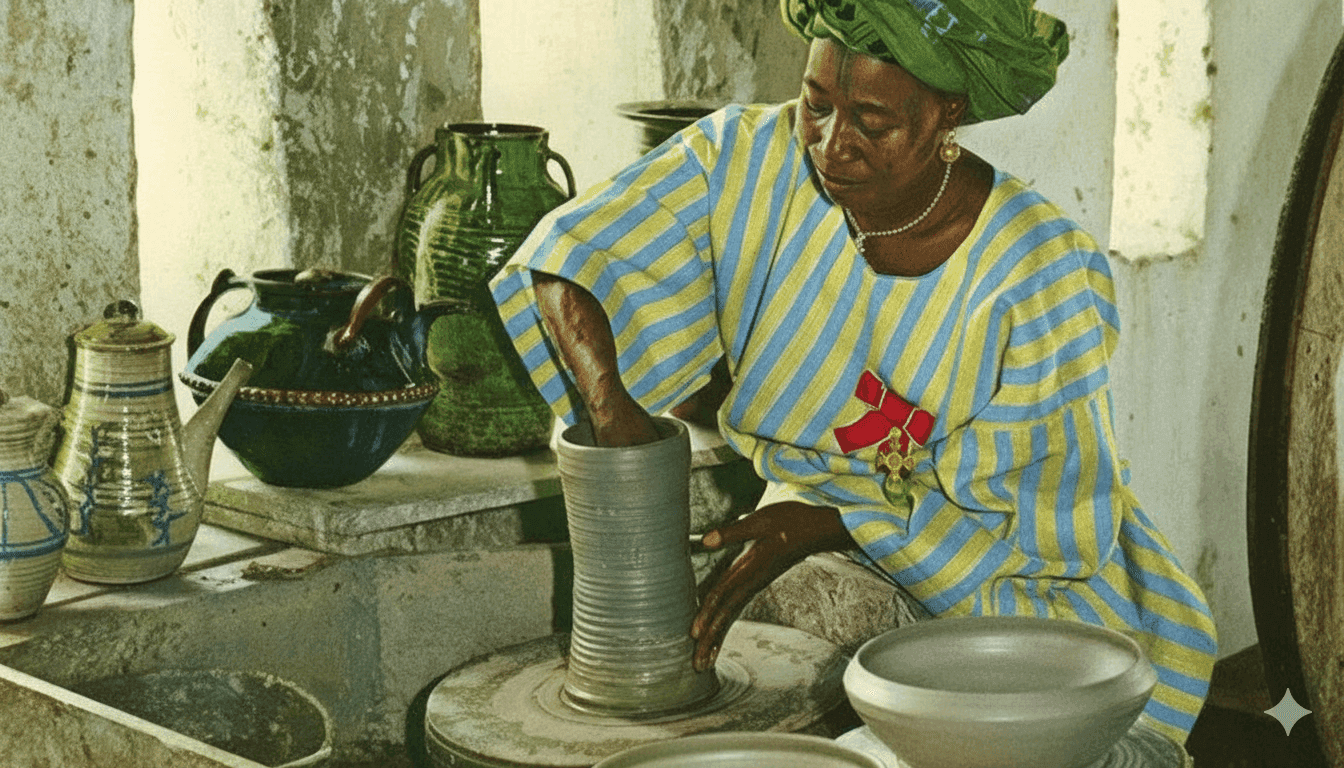
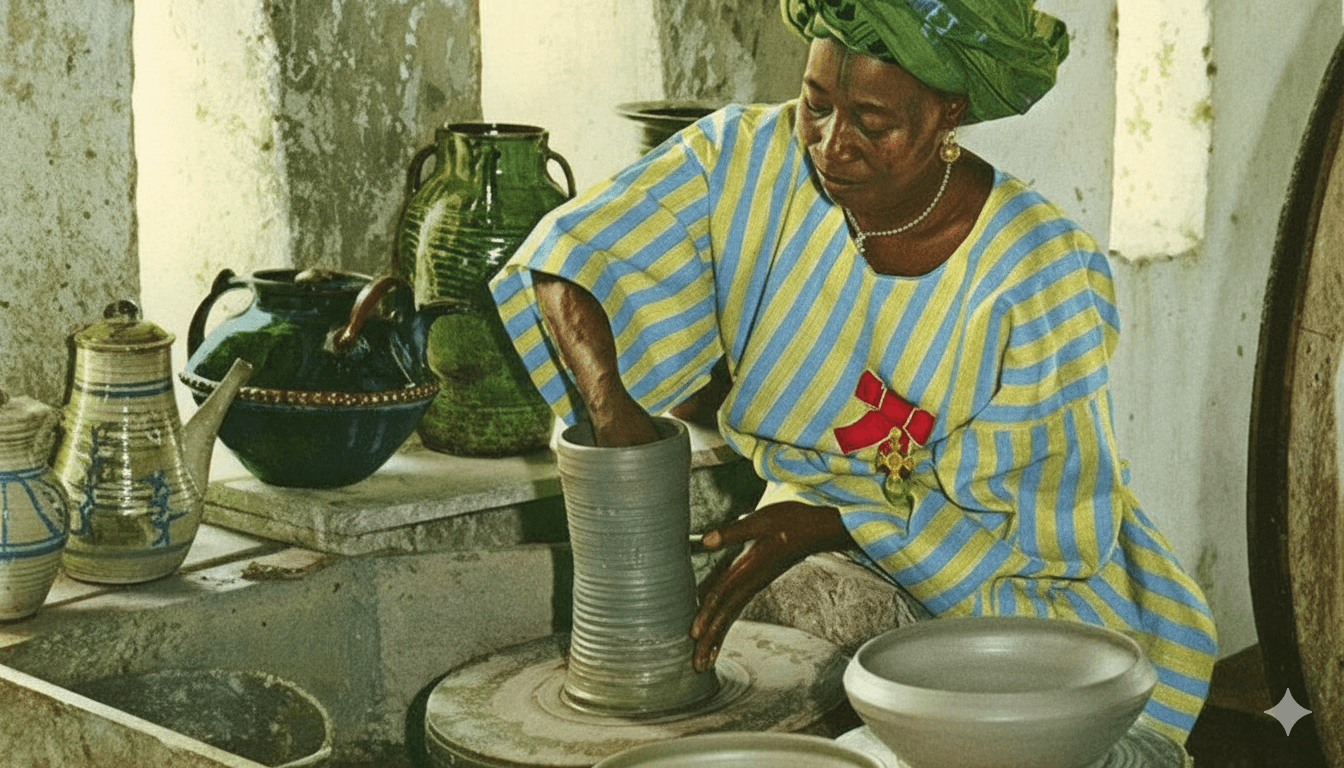
This is, without question, the single best place in the city for authentic souvenirs. The sheer variety is staggering. You can find beautiful, hand-tooled leather goods from the North, vibrant bolts of traditional fabrics like ankara and adire, and intricate woodwork (masks, sculptures, and game boards). Don't miss the stunning beaded jewelry, intricate pottery, and hand-woven baskets.
Be prepared to browse, take your time, and, most importantly, be ready to bargain. Haggling is not just expected; it's a friendly, respected part of the culture. From our experience, a warm smile and a fair negotiation are all part of the fun.
It's a must-visit for authentic souvenirs. For tips on how to navigate the market, what to buy, and how to bargain like a local, check out our [Complete Guide to Visiting the Arts & Crafts Village].
Connecting with History: Abuja's Museums
Abuja's museums serve as the nation's memory bank, preserving Nigerian history and culture, anchored by the National Museum. While Abuja's galleries focus on the now and the next, its museums are the quiet custodians of the past.
In a modern, master-planned city, these institutions play a critical role. They serve as the nation's memory bank, preserving the rich, complex, and diverse history of the hundreds of ethnic groups that make up Nigeria. Their primary role is educational, offering both visitors and young residents a tangible connection to the country's pre-colonial empires and its cultural-artistic heritage.
The museum scene in Abuja is anchored by the Nigerian National Museum. This is the capital's foremost institution for ethnography and history. We found that a visit here is not about modern aesthetics; it's a deep dive into the nation's foundational cultures. You can expect to see a significant collection of artifacts, including traditional pottery, ancient Nok terracotta heads, and cultural regalia.
Beyond this central institution, the city is also home to smaller, niche collections and archives, often attached to cultural centers or government buildings. A visit to a museum in Abuja is a quiet, reflective experience. It's an opportunity to step away from the city's modern rush and spend a few hours connecting with the powerful stories and artistic achievements that shaped the nation.
Ready to explore the nation's past? See our recommendations for a meaningful visit in the [Guide to Abuja's Best Museums].
Your Cultural Journey Awaits
From the sleek, quiet contemplation of a contemporary art gallery to the vibrant, bustling energy of the Arts & Crafts Village, Abuja's cultural scene is alive and growing. It offers a rich, essential mix of modern creativity and deep-rooted tradition.
Here at Places in Abuja, we are dedicated to being your go-to guide for every museum, gallery, and cultural query in the city. We'll be updating this hub constantly as the scene evolves.
Now we want to hear from you. Which art gallery are you most excited to visit, or did we miss your favorite cultural spot? Let us know in the comments below!
Frequently Asked Questions
Where can I find the best contemporary art galleries in Abuja?▼
Maitama is home to many of Abuja's most sophisticated, high-end galleries featuring investment-grade pieces from established Nigerian masters. The area has become a hub for contemporary Nigerian art, with stunning minimalist spaces designed for quiet contemplation.
What is the best place to buy authentic Nigerian souvenirs in Abuja?▼
The Arts & Crafts Village is the single best place in Abuja for authentic, handmade Nigerian souvenirs. This traditional market features a charming collection of thatched-roof huts where you can find hand-tooled leather goods, traditional fabrics, intricate woodwork, beaded jewelry, and pottery from artisans across Nigeria.
What can I see at the Nigerian National Museum in Abuja?▼
The Nigerian National Museum in Abuja houses a significant collection of artifacts including traditional pottery, ancient Nok terracotta heads, and cultural regalia. It serves as the nation's memory bank, preserving the rich history of Nigeria's hundreds of ethnic groups and offering a deep dive into the nation's foundational cultures.
Is bargaining expected at the Arts & Crafts Village?▼
Yes, bargaining is not just expected but is a friendly, respected part of the culture at the Arts & Crafts Village. Haggling is part of the fun and experience. A warm smile and fair negotiation are all part of the authentic market experience.
About the Author
The-Bedouin is the founder of Places in Abuja and a 25-year resident of the capital. He is a passionate collector of contemporary Nigerian art and has spent countless hours haggling (poorly) at the Arts & Crafts Village. He is dedicated to showing visitors and residents alike the hidden gems of the FCT.